




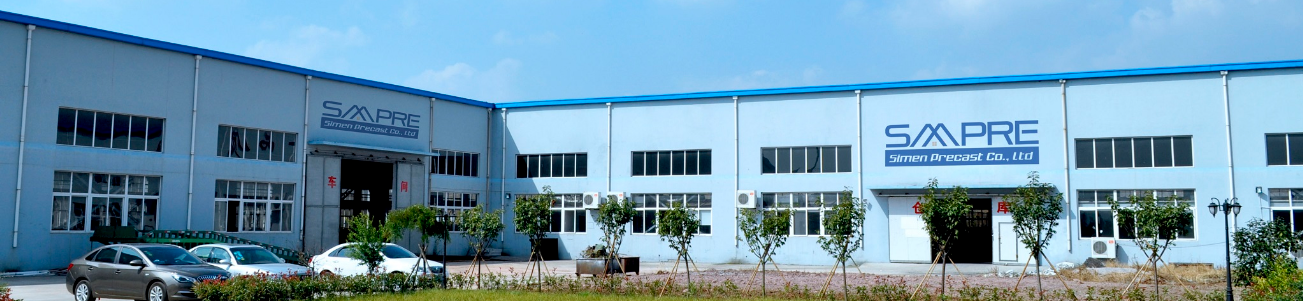
Inside Simen Precast’s Precision Production: Crafting the Two-Hole Anchor for Prestressed Concrete
Views: 268 Update date: Mar 05,2026
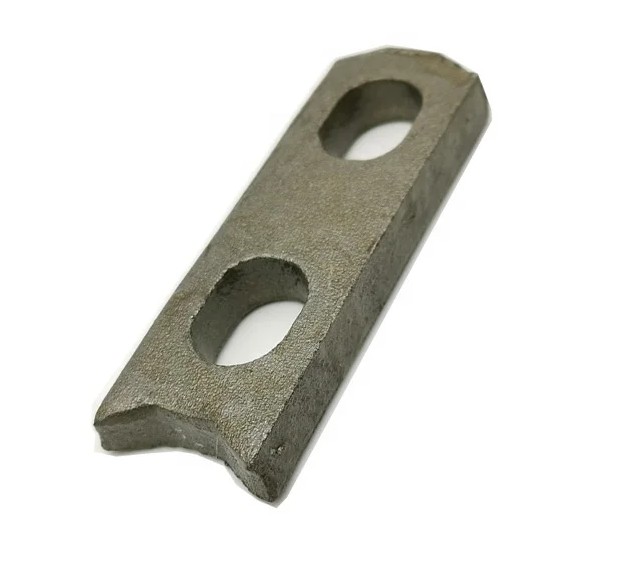
At Simen Precast, the Two-Hole Anchor—a key component for prestressed concrete connection—is manufactured through a meticulous, multi-stage production process that combines advanced engineering technology with strict quality control. Every step is designed to ensure the anchor provides unrivaled strength, durability, and compatibility for prestressed concrete construction projects worldwide.
1. Raw Material Sourcing & Validation
The foundation of the Two-Hole Anchor lies in high-quality steel plates, selected for their high tensile strength and impact resistance, which are crucial for withstanding the structural loads of precast concrete components. Our quality team conducts rigorous testing on all raw materials, and only those that meet our strict standards are approved for subsequent processing.
2. CNC Precision Cutting & Forming
We use professional CNC machining equipment for high-precision cutting of steel plates, completing the integral forming of the Two-Hole Anchor and the cutting of the two holes in one step. The processing tolerance is strictly controlled, and the precision of the two holes and key dimensions reaches ±0.1 mm. The contact surfaces are cut flat without burrs, ensuring seamless fit with fastening bolts and precast concrete panels. During this stage, the distinctive end notch of the anchor is also precisely cut and formed, designed to firmly embed into precast concrete slots to enhance connection stability.
3. End Face Finishing & Deburring
After CNC cutting, edge finishing and surface grinding are performed on the anchor workpieces to remove sharp edges and residual burrs generated during the processing. This process optimizes the fit of the components, improves the appearance, and avoids structural adaptability issues during installation and use.
4. Anti-Corrosion Coating Application
To protect the Two-Hole Anchor from harsh construction environments (including moisture, chemicals, and UV exposure), we adopt dual anti-corrosion treatment, offering two optional coating solutions: Hot-dip galvanization—submerging the anchor in molten zinc at 450°C to form a thick, high-adhesion zinc layer with long-term rust resistance; and Electrogalvanization, which provides a uniform, dense, and smooth rust-resistant surface with excellent decorative effect.
5. Final Quality Inspection & Packaging
Each Two-Hole Anchor undergoes 100% dimensional inspection using laser measuring tools, and random samples are subjected to load-bearing testing to confirm compliance with precast concrete industry standards. Qualified anchors are packaged in moisture-proof cartons or wooden boxes.
Simen Precast’s Two-Hole Anchors are produced in our ISO 9001-certified factory, with customizable sizes and rust-resistant coating options to meet the construction requirements of different regions. For sample requests or bulk orders, please contact our sales team directly.
Prev: Why Short Wavy Tail Threaded Anchor is Ideal for Modern Construction?
Next: Lifting Clutches: The Cornerstone of Safe and Efficient Precast Concrete Handling
At Simen Precast, the Two-Hole Anchor—a key component for prestressed concrete connection—is manufactured through a meticulous, multi-stage production process that combines advanced engineering technology with strict quality control. Every step is designed to ensure the anchor provides unrivaled strength, durability, and compatibility for prestressed concrete construction projects worldwide.
1. Raw Material Sourcing & Validation
The foundation of the Two-Hole Anchor lies in high-quality steel plates, selected for their high tensile strength and impact resistance, which are crucial for withstanding the structural loads of precast concrete components. Our quality team conducts rigorous testing on all raw materials, and only those that meet our strict standards are approved for subsequent processing.
2. CNC Precision Cutting & Forming
We use professional CNC machining equipment for high-precision cutting of steel plates, completing the integral forming of the Two-Hole Anchor and the cutting of the two holes in one step. The processing tolerance is strictly controlled, and the precision of the two holes and key dimensions reaches ±0.1 mm. The contact surfaces are cut flat without burrs, ensuring seamless fit with fastening bolts and precast concrete panels. During this stage, the distinctive end notch of the anchor is also precisely cut and formed, designed to firmly embed into precast concrete slots to enhance connection stability.
3. End Face Finishing & Deburring
After CNC cutting, edge finishing and surface grinding are performed on the anchor workpieces to remove sharp edges and residual burrs generated during the processing. This process optimizes the fit of the components, improves the appearance, and avoids structural adaptability issues during installation and use.
4. Anti-Corrosion Coating Application
To protect the Two-Hole Anchor from harsh construction environments (including moisture, chemicals, and UV exposure), we adopt dual anti-corrosion treatment, offering two optional coating solutions: Hot-dip galvanization—submerging the anchor in molten zinc at 450°C to form a thick, high-adhesion zinc layer with long-term rust resistance; and Electrogalvanization, which provides a uniform, dense, and smooth rust-resistant surface with excellent decorative effect.
5. Final Quality Inspection & Packaging
Each Two-Hole Anchor undergoes 100% dimensional inspection using laser measuring tools, and random samples are subjected to load-bearing testing to confirm compliance with precast concrete industry standards. Qualified anchors are packaged in moisture-proof cartons or wooden boxes.


 SMPRE™

 799384842
 +86-17606489157
 info@simenprecast.com
 Simen
Simen