





Latest Development of Prefabricated Components for Prefabricated Concrete Structures
Views: 251 Update date: Apr 16,2026
With the global push for energy conservation, carbon reduction and efficient construction, prefabricated concrete structure buildings have become a core trend in the construction industry. Prefabricated components, as the core of such buildings, are divided into various types according to their structural characteristics and performance, each playing an irreplaceable role in improving construction efficiency, ensuring project quality and reducing costs. This report focuses on the main prefabricated components and their latest subdivision types, as well as their application advantages.
According to the characteristics and performance of the components composing the building, the basic prefabricated components of prefabricated concrete structure buildings mainly include the following six categories:
Category A: Prefabricated floor slabs, including precast solid slabs, precast hollow slabs, precast composite slabs and precast balconies. As one of the most widely used prefabricated components, prefabricated floor slabs can significantly reduce the workload of formwork support at the construction site, save labor and turnover materials, and have excellent economic benefits. Among them, prestressed floor slabs can effectively give play to the role of high-strength materials, reduce cross-sections and save steel, which is an important measure for energy conservation and carbon reduction. In addition, prefabricated floor slabs have the advantages of high production efficiency and fast installation speed, bringing remarkable economic benefits to construction projects.
Category B: Prefabricated beams, including precast solid beams, precast composite beams and precast U-shaped beams. These beams are prefabricated in professional factories with strict quality control, which can effectively avoid quality problems such as cracks caused by on-site pouring, and provide strong support for the overall stability of the building.
Category C: Prefabricated walls, including precast solid shear walls, precast hollow walls, precast composite shear walls and precast non-load-bearing walls. As the core component of the building envelope and load-bearing system, prefabricated walls not only ensure the structural safety of the building, but also improve the thermal insulation and sound insulation performance of the building, laying a foundation for the construction of energy-saving buildings.
Category D: Prefabricated columns, including precast solid columns and precast hollow columns. Prefabricated columns have the characteristics of high strength, good durability and accurate size, which can effectively reduce the on-site construction time and improve the overall construction efficiency of the project.
Category E: Prefabricated stairs, including precast stair segments and precast landing platforms. The prefabrication of stairs avoids the complicated on-site formwork and pouring process, shortens the construction period, and at the same time ensures the flatness and safety of the stairs, reducing the later maintenance cost.
Category F: Other complex special-shaped components, including precast bay windows, precast exterior walls with bay windows, precast corner exterior walls, precast integral kitchens and bathrooms, precast air conditioning slabs, etc. These special-shaped components are designed and prefabricated according to the specific needs of the project, which can meet the personalized design requirements of the building and improve the construction efficiency and quality of special parts.
In addition to the basic classification, various prefabricated components can be further subdivided according to different process characteristics, with representative enterprises leading the technological development in each subdivision field:
For precast composite floor slabs, they are mainly divided into precast prestressed composite floor slabs (represented by Nanjing Dadi), precast truss reinforcement composite floor slabs (represented by Hefei Baoye Xiweide), and precast ribbed prestressed composite floor slabs (PK slabs, represented by Jinan Wan sida), etc. Each type of composite floor slab has its own characteristics, which can be flexibly selected according to the load requirements and structural design of the project.
Precast solid shear walls include precast steel sleeve shear walls (represented by Beijing Vanke and Yugou), precast confined grout anchor shear walls (represented by Heilongjiang Yuhui), and precast grout anchor hole indirect lap shear walls (represented by Zhongnan Construction), etc. These different types of shear walls have made important breakthroughs in connection technology, ensuring the integrity and seismic performance of the prefabricated building structure.
From the perspective of structure, precast exterior walls can be divided into precast ordinary exterior walls (represented by Changsha Yuanda and Shenzhen Vanke) and precast sandwich insulation exterior walls (represented by Vanke, Yuhui and Yatai), etc. Among them, the precast sandwich insulation exterior wall integrates load-bearing, insulation and decoration, which greatly improves the construction efficiency and energy-saving effect of the building envelope.
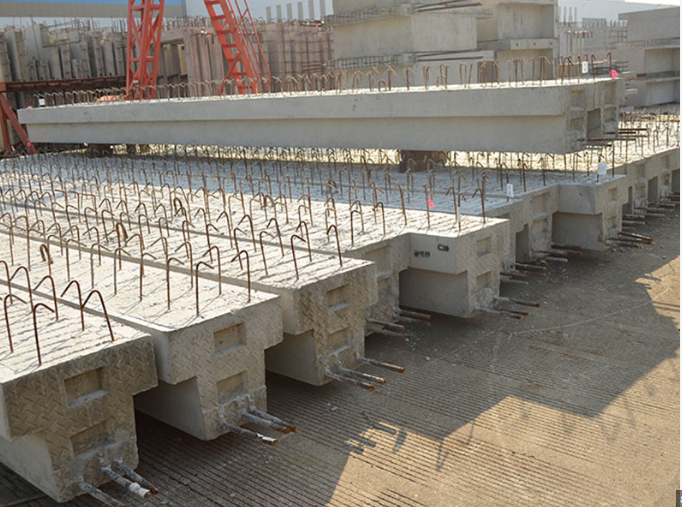
Industry insiders said that the forms of prefabricated components are diverse and can be flexibly adopted according to the characteristics and requirements of the project. With the continuous progress of prefabrication technology and the continuous expansion of application scenarios, prefabricated components will play a more important role in the future construction industry, promoting the transformation and upgrading of the construction industry towards green, efficient and high-quality development.
Prev: Our Authoritative Certifications: A Testament to Premium Quality & Customer Trust
Next: Global Trends: Latest Advancements in Precast Concrete Accessories (2025–2026)
With the global push for energy conservation, carbon reduction and efficient construction, prefabricated concrete structure buildings have become a core trend in the construction industry. Prefabricated components, as the core of such buildings, are divided into various types according to their structural characteristics and performance, each playing an irreplaceable role in improving construction efficiency, ensuring project quality and reducing costs. This report focuses on the main prefabricated components and their latest subdivision types, as well as their application advantages.
According to the characteristics and performance of the components composing the building, the basic prefabricated components of prefabricated concrete structure buildings mainly include the following six categories:
Category A: Prefabricated floor slabs, including precast solid slabs, precast hollow slabs, precast composite slabs and precast balconies. As one of the most widely used prefabricated components, prefabricated floor slabs can significantly reduce the workload of formwork support at the construction site, save labor and turnover materials, and have excellent economic benefits. Among them, prestressed floor slabs can effectively give play to the role of high-strength materials, reduce cross-sections and save steel, which is an important measure for energy conservation and carbon reduction. In addition, prefabricated floor slabs have the advantages of high production efficiency and fast installation speed, bringing remarkable economic benefits to construction projects.
Category B: Prefabricated beams, including precast solid beams, precast composite beams and precast U-shaped beams. These beams are prefabricated in professional factories with strict quality control, which can effectively avoid quality problems such as cracks caused by on-site pouring, and provide strong support for the overall stability of the building.
Category C: Prefabricated walls, including precast solid shear walls, precast hollow walls, precast composite shear walls and precast non-load-bearing walls. As the core component of the building envelope and load-bearing system, prefabricated walls not only ensure the structural safety of the building, but also improve the thermal insulation and sound insulation performance of the building, laying a foundation for the construction of energy-saving buildings.
Category D: Prefabricated columns, including precast solid columns and precast hollow columns. Prefabricated columns have the characteristics of high strength, good durability and accurate size, which can effectively reduce the on-site construction time and improve the overall construction efficiency of the project.
Category E: Prefabricated stairs, including precast stair segments and precast landing platforms. The prefabrication of stairs avoids the complicated on-site formwork and pouring process, shortens the construction period, and at the same time ensures the flatness and safety of the stairs, reducing the later maintenance cost.
Category F: Other complex special-shaped components, including precast bay windows, precast exterior walls with bay windows, precast corner exterior walls, precast integral kitchens and bathrooms, precast air conditioning slabs, etc. These special-shaped components are designed and prefabricated according to the specific needs of the project, which can meet the personalized design requirements of the building and improve the construction efficiency and quality of special parts.
In addition to the basic classification, various prefabricated components can be further subdivided according to different process characteristics, with representative enterprises leading the technological development in each subdivision field:
For precast composite floor slabs, they are mainly divided into precast prestressed composite floor slabs (represented by Nanjing Dadi), precast truss reinforcement composite floor slabs (represented by Hefei Baoye Xiweide), and precast ribbed prestressed composite floor slabs (PK slabs, represented by Jinan Wan sida), etc. Each type of composite floor slab has its own characteristics, which can be flexibly selected according to the load requirements and structural design of the project.
Precast solid shear walls include precast steel sleeve shear walls (represented by Beijing Vanke and Yugou), precast confined grout anchor shear walls (represented by Heilongjiang Yuhui), and precast grout anchor hole indirect lap shear walls (represented by Zhongnan Construction), etc. These different types of shear walls have made important breakthroughs in connection technology, ensuring the integrity and seismic performance of the prefabricated building structure.
From the perspective of structure, precast exterior walls can be divided into precast ordinary exterior walls (represented by Changsha Yuanda and Shenzhen Vanke) and precast sandwich insulation exterior walls (represented by Vanke, Yuhui and Yatai), etc. Among them, the precast sandwich insulation exterior wall integrates load-bearing, insulation and decoration, which greatly improves the construction efficiency and energy-saving effect of the building envelope.
Industry insiders said that the forms of prefabricated components are diverse and can be flexibly adopted according to the characteristics and requirements of the project. With the continuous progress of prefabrication technology and the continuous expansion of application scenarios, prefabricated components will play a more important role in the future construction industry, promoting the transformation and upgrading of the construction industry towards green, efficient and high-quality development.


 SMPRE™

 799384842
 +86-17606489157
 info@simenprecast.com
 Simen
Simen